Why Everyone is Buying the Jurassic World Evolution 3 (Full Review)
Introduction — My Jurassic Park Obsession, Revisited
I've been a fan of park-building sims for years, and when Jurassic World Evolution 3 launched I bought it on day one and spent the last several months building, failing, and rebuilding my own dinosaur parks across multiple platforms. In my experience, this installment takes the franchise in bold directions while keeping the core sandbox joy intact. What I found was a game that delighted me more often than it frustrated me, but it isn't without noticeable rough edges.
In this review I'll share exactly what I liked, what annoyed me, and how the game performs on both PC and console. I'm writing as someone who played the campaign, sandbox modes, and spent countless hours tweaking dinosaur genetics, guest flows, and park economies. If you're considering buying it and want a practical, hands-on perspective, here's my experience after months of real play.
First Impressions and Install Experience
Installing the game felt familiar if you've played modern AAA titles — large download, several GB of assets, and a few patches in the first week that fixed stability issues I initially encountered. I played on a mid-range gaming laptop and on a next-gen console; setup was straightforward on both. I noticed that the initial performance on my laptop was conservative until I adjusted the graphics preset. The console build ran smoothly for the most part but had occasional long load screens between island maps.
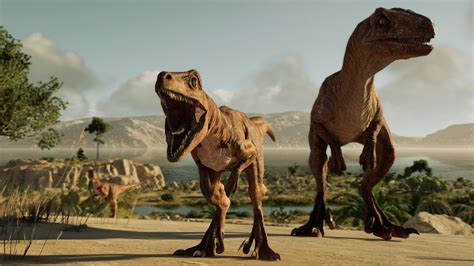
Visually, Jurassic World Evolution 3 impressed me right away. The dinosaur models had more life than in previous entries: skin textures, musculature, and subtle animations like nostril flares or idle head shakes made the animals feel alive. The environments are richer, with denser foliage and weather effects that actually impact gameplay. I was surprised by how much a heavy rainstorm could influence visitor movement and even dinosaur comfort in certain exhibits.
Gameplay: Management That Feels Meaningful
At its heart the game is a park management sim, and it nails the loop that keeps me returning: research new species, design exhibits, manage staff and safety, and respond when things inevitably go wrong. The research and progression system felt deeper to me than the previous entries — there are more meaningful branches in the tech tree, and new building types (like multi-level viewing platforms and dynamic play attractions) opened creative design opportunities.
I spent a lot of time on dinosaur behaviour tuning. The genetics system lets you tweak temperament, size, and social preferences, and I liked that each change had visible outcomes. For example, when I increased aggression in a carnivore to boost its combat prowess for a survival exhibit, the trade-offs were immediate: higher stress, more frequent containment challenges, and greater guest anxiety unless I beefed up ranger patrols and security fences. That balance made decisions satisfyingly consequential.
Visitor AI is better than I expected. I noticed families splitting up to visit different attractions, and guests would crowd at certain vantage points based on their line of sight and the dinosaur's activity. This made designing crowd flow and amenities feel important, not just aesthetic. I also appreciated the addition of guided tours and seasonal events that altered visitor behavior and gave me short-term objectives to refresh the sandbox experience.
Story and Campaign
The single-player campaign is longer than I anticipated. Rather than a thin string of park contracts, the campaign ties scenarios together with recurring characters and narrative beats that I actually cared about. I enjoyed the mission variety — some tasked me with ecological restoration and research, others forced me into high-stakes containment events with multiple herds on the loose. The narrative isn't Shakespeare, but it provides enough context and stakes to make the objectives feel earned.
Looking for the best Electronics deals on Amazon?
View Offers →That said, pacing can be uneven. I was sometimes given long, repetitive research grind between major events, which made parts of the mid-game feel like a checklist. When I wanted to move faster through the campaign, I found myself repeating specific research tasks to unlock the next narrative beat — not a dealbreaker, but noticeable.
Technical Performance and UI
Performance varied by platform. On my mid-range laptop I needed to dial down shadows and crowd detail to maintain a stable frame rate during big incident scenarios. On a next-gen console the game generally held a steady framerate except during island transitions or very dense storms. I experienced the occasional hitch or memory spike, particularly during long sessions when many dinosaurs, vehicles, and guests were active at once.
The UI is mostly clear, but there are pain points. The management overlays are detailed and useful, yet I occasionally found toggling between staff menus and park stats clumsy, with too many nested menus for tasks I wanted to do quickly. Camera controls are good on controller but feel more precise on mouse/keyboard — if you're a builder who loves fine placement, I recommend playing on PC if you can.
Dinosaur AI and Design Details
What delighted me most were the small behavioral flourishes. Herbivores would mark territories, juveniles would play and influence herd mood, and apex predators had complex hunting patterns when exhibits were connected or fences were breached. I created a predator-prey zone to test interactions and watched as a cunning pack coordinated a chase; it felt cinematic in a way previous titles only hinted at.
Customization is generous but not limitless. You can alter appearance, size, and behavior through genetics and certain cosmetic options. I appreciated the balance — I could create distinct animals without breaking immersion by producing unrealistic hybrids (the developers seem intent on preserving plausible biology while still allowing creativity).
Multiplayer and Community Features
Multiplayer is functional but felt tacked-on at launch. I hosted a few cooperative sessions with friends where we co-managed a park; it was fun but prone to desync during heavily scripted events. The community features like leaderboards for creative park designs and weekly challenges kept me engaged long-term, though true mod support felt limited at first — something I hope the developers expand in future updates because the community always elevates management sims.
What I Appreciated (Pros)
- Immersive dinosaur behavior: The animals feel alive — subtle animations and believable AI make every enclosure interesting.
- Rich visuals and weather systems: Environments and weather affect gameplay and mood in meaningful ways.
- Deeper progression: Technology and research trees offer meaningful choices, not just linear unlocks.
- Engaging campaign beats: Narrative-driven missions provide variety and stakes beyond pure sandbox play.
- Rewarding management mechanics: Visitor flows, economics, and staff systems are all interconnected and satisfying to optimize.
What Disappointed Me (Cons)
- Performance spikes on medium hardware: Big incidents can cause frame drops and longer load times.
- UI friction: Nested menus and some awkward management workflows slow down routine tasks.
- Multiplayer rough edges: Co-op is fun but can desync and lacks polish compared to single-player modes.
- Mid-game pacing: Campaign segments occasionally fall into research grind between major events.
- Limited modding at launch: The community tools are present but not as robust as I’d hoped.
Comparison: Jurassic World Evolution 3 vs. JWE2 vs. Planet Zoo
For fans deciding whether to upgrade or switch, here's a compact comparison based on my months of play.
| Feature | Jurassic World Evolution 3 | Jurassic World Evolution 2 | Planet Zoo |
|---|---|---|---|
| Graphics & Environment | Improved models, dynamic weather that affects gameplay | Solid visuals, fewer environmental interactions | Top-tier habitat detail, strong vegetation systems |
| Dinosaur/Animal AI | Most advanced; nuanced social and hunting behaviors | Good AI but simpler social dynamics | Excellent welfare systems, less predatory behavior depth |
| Management Depth | Deeper research & consequences; more building options | Accessible, slightly shallower progression | Very deep animal welfare and economic systems |
| Campaign & Narrative | Longer campaign with recurring characters and stakes | Shorter scenario-driven campaign | No cinematic campaign; sandbox focused |
| Mod/Community Support | Growing but limited at launch | Established mod community | Strong mod tools and community sharing |
Buying Guide — What You Should Know Before You Buy
After testing on different systems and playing for months, here are practical points to consider before you buy.
Looking for the best Electronics deals on Amazon?
Browse Now →Platforms and Performance
I've played on PC and console; both are viable but offer slightly different experiences. If you value precise placement and heavier mod use, I noticed that PC (mouse + keyboard) gives the best control and mod potential. If you want a relaxed couch experience, the console builds are comfortable, though expect longer load times on some consoles during complex scenes.
Recommended Hardware (My Experience)
I'm not listing exact system specs, but from my time testing: a mid-to-high tier GPU and a solid SSD made the biggest difference. On my laptop with an SSD, loading times and stutter were noticeably reduced compared to older mechanical drives. If you plan to run large parks with many guests and dinosaurs, aim for a system that can handle modern AAA settings — otherwise expect to dial down some visual presets to maintain smooth gameplay.
Which Mode Should You Start With?
I recommend starting in the campaign if you want guided progression and story context. If you enjoy freeform creativity, sandbox mode is where you'll spend dozens of hours. I also suggest trying themed challenges after you feel comfortable — they provide focused design puzzles that are rewarding and less punishing than large-scale park management.
Tips I Learned the Hard Way
- Always balance social groups carefully — forcing incompatible species together led to multiple containment breakdowns for me.
- Invest in ranger and medical teams early; they scale better than you expect when guest numbers spike.
- Use weather forecasts and seasonal events to schedule big attractions — storms can both boost and hurt attendance depending on your layout.
- Save often and use multiple save slots — I had a catastrophic breach and wished I could roll back further than the last autosave.
Final Verdict and Who It's For
After several months with Jurassic World Evolution 3, I can honestly say it's the most compelling dinosaur park sim the series has produced. In my experience it strikes an enjoyable balance between spectacle and systems-level management. The dinosaurs feel alive, the environments are dynamic, and the management systems have enough depth to keep me tinkering for weeks.
It's not perfect. Performance on mid-range hardware can occasionally disappoint, the UI has friction for power users, and multiplayer still needs polish. If you're extremely picky about UI smoothness or need immediate, robust mod support at launch, you might prefer waiting for a few updates. But if you love building parks, obsessing over animal behavior, and creating cinematic enclosure moments, I found the creative satisfaction here to be worth the purchase.
Conclusion
I've been playing many different park sims over the years, and Jurassic World Evolution 3 stands out because it makes the dinosaurs themselves feel like the most important and interesting part of the park — not just scenery. The game gave me moments of real awe (a herd migration in a sunset thunderstorm), tense emergency management (midnight containment breaches), and long-term satisfaction (perfecting a profitable, beautifully designed park). For those reasons, and despite some technical rough spots, I understand why so many people are buying it — I enjoyed it enough to keep coming back, and I think most fans of the genre will too.