Difference Between Samsung Galaxy Z Trifold and Motorola Moto G Power 2026 Explained
Introduction
The smartphone landscape in 2026 offers a broader range of form factors and price points than ever before. Two devices that represent opposite ends of that spectrum are the Samsung Galaxy Z Trifold and the Motorola Moto G Power 2026. One pushes the boundaries of design and productivity with a premium tri-fold approach; the other focuses on long battery life, practical performance, and affordability. This article explains the differences between these two phones in clear, practical terms to help buyers decide which is a better fit for their needs.
At a glance: what each phone aims to be
Samsung Galaxy Z Trifold is positioned as a flagship-class innovation device aimed at users who want a large flexible canvas for multitasking, content creation, and media consumption. It targets professionals, power users, and early adopters who prize productivity features and cutting-edge hardware.
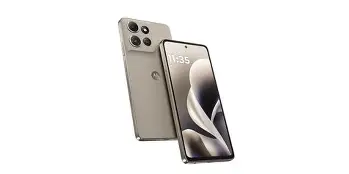
Motorola Moto G Power 2026 continues the Moto G Power tradition of offering excellent battery life and reliable day-to-day performance at a budget or midrange price. It is intended for users who prioritize longevity, simple user experience, and value over bleeding-edge features.
Detailed product analysis
Samsung Galaxy Z Trifold — an overview
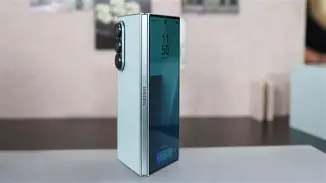
The Galaxy Z Trifold is Samsung’s exploration of multi-fold displays. Its defining characteristic is a multi-panel flexible OLED that folds twice to produce a compact exterior and a wide interior workspace when opened. In everyday use, this translates to a phone that behaves like a standard handset when closed, a larger tablet-like surface when fully opened, and an intermediate split-screen when partially folded.
Real-world use cases where the Trifold shines include:
- Multitasking: Running three apps side-by-side for research, note-taking, and video conferencing without constant app switching.
- Content creation: Editing photos or documents with more screen real estate and refined multi-window workflows.
- Media consumption: Watching video on a near-tablet canvas or using one panel for chat while the other plays content uninterrupted.
- Portable workstation: Replacing a small tablet or secondary laptop for light productivity on the move.
Buyers should expect premium materials, advanced hinge engineering, flagship cameras, and software optimizations to take advantage of the large flexible display. Because of complexity, battery life and device weight are often trade-offs compared with non-folding phones, and price will reflect the premium engineering required to deliver a tri-fold device.
Motorola Moto G Power 2026 — an overview
The Moto G Power 2026 continues Motorola’s value-driven approach: pragmatic hardware tuned for excellent battery longevity and a clean Android experience. The core proposition is simple — a phone that stays powered through heavy days and provides solid performance for communication, social media, navigation, and casual photography.
Find top-rated Mobile Phones products at great prices.
See Deals →Real-world use cases that match the Moto G Power 2026 include:
- All-day battery for fieldwork: Ideal for people who spend long hours away from chargers — delivery drivers, students, or travelers.
- Secondary device or starter phone: Good for households seeking reliable phones without high cost.
- Media and social use: Streaming, scrolling, and light gaming are suitably supported thanks to efficient hardware and large battery capacity.
- Budget-conscious upgrades: Users who want modern features like 5G connectivity (where offered) without paying flagship prices.
The Moto G Power’s trade-offs typically include midrange camera systems, plastic or less premium finishes, and fewer advanced features like stylus support or sophisticated hinge mechanisms. However, for many buyers, the extended battery life and simpler ownership experience outweigh those limitations.
Pros & cons
Samsung Galaxy Z Trifold
- Pros:
- Expansive, flexible screen allows true multitasking and near-tablet workflows.
- Premium build and flagship-level performance for demanding apps.
- Unique form factor that stands out and can replace small tablets for some users.
- Advanced camera systems and software features common to flagship Samsung models.
- Cons:
- High price point that limits mass-market appeal.
- Heavier and thicker than standard phones; pocketability is reduced.
- Potentially shorter battery life per charge compared with single-panel phones of similar capacity.
- Durability concerns for users who expect ruggedness; hinges and foldable layers require careful handling.
Motorola Moto G Power 2026
- Pros:
- Excellent battery life for extended use without recharging.
- Affordable price and strong value proposition.
- Simplified, clean Android experience and practical feature set.
- Lightweight and easy to carry compared with large foldables.
- Cons:
- Midrange performance may struggle with the most demanding apps or heavy multitasking.
- Camera quality and low-light performance typically lag flagship competitors.
- Build materials and finishes are less premium.
- Fewer advanced productivity features (no tri-fold display or tablet-mode workflows).
Side-by-side comparison
The table below summarizes the most relevant differences for shoppers. Specific configuration details vary by region and carrier; the table focuses on expected characteristics and buyer-relevant attributes rather than precise model numbers.
| Feature | Samsung Galaxy Z Trifold | Motorola Moto G Power 2026 |
|---|---|---|
| Category | Premium foldable, tri-panel | Budget / midrange long-life battery phone |
| Primary strength | Multitasking/productivity and large flexible display | Battery life and value |
| Display | Multi-panel flexible OLED; large internal canvas when opened (tablet-like) | Single panel LCD/OLED (typical midrange size); optimized for efficiency |
| Performance | Flagship-class chipset and higher RAM options for heavy use | Midrange chipset tuned for efficiency; sufficient for everyday tasks |
| Battery | Moderate to large capacity but heavier drain due to big displays | Very large capacity and multi-day tendencies under moderate use |
| Cameras | Advanced, flagship-grade systems with multi-lens setups | Competent main camera; fewer advanced lenses and processing features |
| Durability | Complex hinge and flexible layers require more careful handling | Conventional design with typical water resistance and drop characteristics |
| Price | High — commands premium pricing | Budget to midrange — accessible for most buyers |
| Best for | Power users, multitaskers, professionals who want a mobile workstation | Users who need long battery life, solid everyday performance, and affordability |
How these differences affect real-world users
When choosing between these two phones, buyers should map device strengths to daily routines:
- For commuters and remote workers: The Galaxy Z Trifold enables handling documents, email, and video calls in a larger workspace. A person who frequently edits spreadsheets or joins video meetings on the move will appreciate the added screen area. Conversely, a commuter who values a slim device and long battery life may prefer the Moto G Power 2026.
- For travelers: The Moto G Power’s longevity and simpler design reduce the anxiety of running out of power far from a charger. The Trifold might appeal to travelers who also want to replace a tablet for entertainment and productivity, but they must carry a more fragile, higher-value device.
- For families and casual users: The Moto G Power 2026 is a cost-effective choice that provides reliable day-to-day performance. The Trifold is overkill for users who primarily need a phone for calls, social apps, and light media consumption.
- For creators and multitaskers: The Trifold’s large interior display is excellent for photo editing, multi-app workflows, and content review. Creators who rely on powerful camera systems, display real estate, and productivity features will find more utility in Samsung’s device.
Buying guide: choose based on priorities
Focus on the buyer priorities below to guide the decision:
1. Budget and total cost of ownership
If price is the foremost concern, the Moto G Power 2026 is the practical choice. The Galaxy Z Trifold is a premium purchase and may also incur higher repair costs if the folding mechanism needs service. Consider warranty and accidental damage coverage when buying a foldable.
2. Battery life vs. screen real estate
Prioritize battery life if being away from chargers or using the phone for long workdays is common. The Moto G Power line historically excels here. If working on documents, editing, or multitasking on a single device matters more, the tri-fold’s expansive screen provides a different kind of productivity benefit — at the expense of runtime and weight.
Shop the latest Mobile Phones picks on Amazon.
Shop Amazon →3. Durability and day-to-day handling
Casual users and those prone to drops or rough handling will find a conventional slab phone with a robust case more forgiving. Tri-folds should be treated like compact tablets when opened and may require more care. Look for user reviews and hinge durability tests to understand long-term reliability.
4. Camera needs
For photography enthusiasts, the Galaxy Trifold — as a flagship-tier device — will almost always offer superior camera hardware and processing. The Moto G Power 2026 will be sufficient for snapshots, social sharing, and basic video but will not compete with top-tier flagship imaging.
5. Software and ecosystem
Samsung tends to offer extensive software features for foldables — productivity modes, enhanced multi-window behavior, and S Pen support on compatible models. Motorola emphasizes a clean, near-stock Android experience with useful practical features. Consider which ecosystem and software features align with daily workflows.
6. Resale value and future-proofing
Premium devices often retain resale value better but are also subject to rapid innovation. If keeping devices long-term is a priority, choose the model with a combination of durability and software update commitments that match the intended lifespan. Check manufacturer update policies for both models before purchase.
Practical recommendations
- If a buyer needs a single device that can substitute for a small tablet and supports heavy multitasking, the Samsung Galaxy Z Trifold is the better fit.
- If affordability, battery life, and a straightforward phone experience are the priorities, the Motorola Moto G Power 2026 is the sensible choice.
- For mixed needs — occasional heavy use but frequent travel — consider whether adding a secondary accessory (like a lightweight tablet or portable charger) combined with a Moto G Power makes more sense financially than the tri-fold premium.
Conclusion
The Samsung Galaxy Z Trifold and the Motorola Moto G Power 2026 represent two different philosophies in smartphone design. The Trifold offers a premium, productivity-first experience centered on an expansive flexible display, appealing to power users who want to do more on one device. The Moto G Power 2026 favors pragmatic value: long battery life, reliable everyday performance, and an approachable price. Buyers should weigh the importance of multitasking and screen real estate against battery longevity, cost, and durability. Matching the device to daily habits — whether that means replacing a tablet, maximizing time between charges, or keeping costs low — will make the choice clear.